Solve the Case Tips & Hints
Stay unspoiled longer with smarter pacing, roles, and hint discipline.
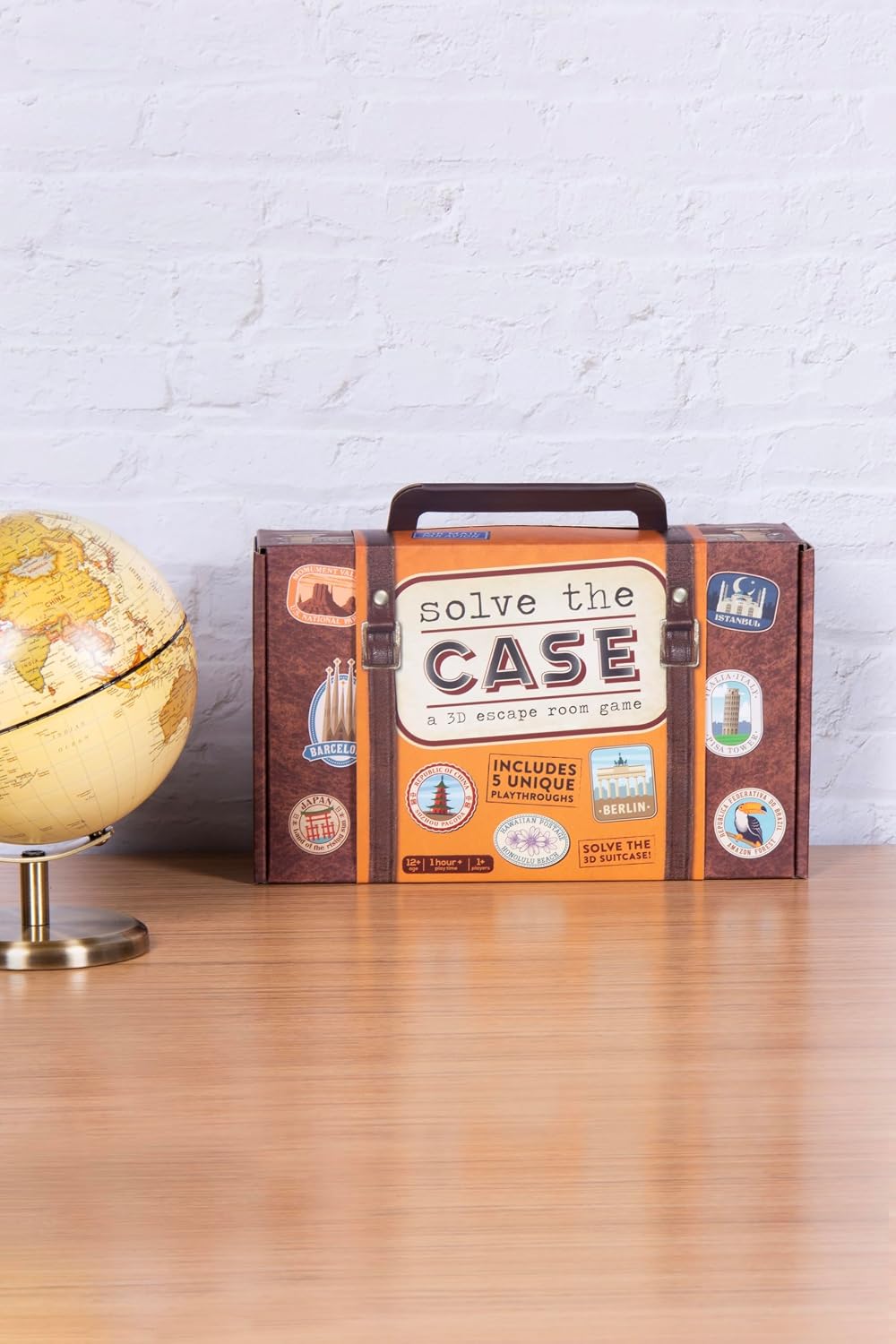
This page is the spoiler-light companion to the full Play walkthroughs. You will not find final codes, ship names, or liar identities here. Instead you get process advice: how to set the table, when to flip an envelope for a hint, how to use the lockout rule as a feature, and how to keep Plays 4–5 from turning into frustration.
For rules basics see How to Play. When you truly need answers, jump to the matching chapter: Play 1, Play 2, Play 3, Play 4, Play 5.
Tip 1 — One Play per emotional battery
Each Play is designed around an hour-ish of attention. Stopping at a clean boundary preserves goodwill, especially for date nights and mixed-age families. Chaining all five in one day is possible but amplifies fatigue right when puzzles ask for precise folding and coordinate plotting.
Tip 2 — Protect the answer sheet
Choose a checker before you need one. Announce that a wrong final locks that person out of the current Play only. That social contract stops casual peeking and keeps tension playful. Rotate the checker between Plays so one mistake does not create a permanent sideline.
Tip 3 — Envelope hints before wiki spoilers
Every Play envelope has hints on the back bottom. They are tuned to the intended difficulty. Order of operations that keeps magic longest:
- Re-read all active cards aloud.
- Re-examine the case exterior and interior prints.
- Use the envelope hint.
- Take a five-minute break.
- Only then open a walkthrough or official video.
Tip 4 — Keep a “case journal”
A scrap paper log of intermediate numbers, highlighted words, and which stickers you already scratched saves rework. Label entries with the Play number. Later chapters expect you to remember earlier case codes—notes beat memory after a week-long pause between sittings.
Tip 5 — Divide labor in groups
Suggested roles for three or more players:
- Reader — owns card text and does not also handle delicate folds.
- Case captain — moves overlays, coins, and scratch tools.
- Scribe — journals intermediates.
- Checker — sole answer-sheet access.
Solo players should still separate “thinking time” from “sheet time” so they do not accidentally burn the lockout on a half-formed guess. More seating ideas: Solo & Group Tips.
Tip 6 — Expect red herrings
Flavor text and unused-looking icons appear on purpose. If a detail does not connect after a serious pass, park it. Forcing every icon into the active puzzle creates false patterns. Revisit parked details only when a card explicitly asks for them—or when a later Play resurrects an earlier motif.
Tip 7 — Respect tactile steps
Folds, overlays, and alignments are not optional flavor. If a card mentions a fuse box, maze, or door piece, put plastic/paper on the case and test fit. Many “stuck” moments dissolve when the physical piece is actually seated.
Tip 8 — Know the Play 4 storm warning (no solution)
Community feedback consistently flags a coin-related step in Play 4 as confusing. Mentally prepare the table: if progress stalls there, agree in advance that envelope hints and the official video are allowed without calling it a failure. Full guidance with spoilers sits on the Play 4 Walkthrough; stay here if you only needed the heads-up.
Tip 9 — Lighting and tools
Use bright, even light for scratch reveals, tiny dots, and maze letters. A phone torch helps. Soft pencil beats pen for coordinate grids you might erase. Keep drinks off the case—scratch panels and fold cards do not enjoy condensation.
Tip 10 — Second playthroughs and lending
If you will gift or lend the suitcase, avoid writing on cards. Keep the answer sheet sealed in a labeled sleeve. Your journal can live separately so new players meet the mystery fresh. Point them at this Tips page and Getting Started rather than the spoiler walkthroughs.
Tip 11 — Difficulty is not linear IQ
Early Plays teach case literacy. Middle Plays add ciphers and folds. Later Plays stack prior answers. Someone excellent at logic grids might bounce off a fold, and vice versa. Use the Difficulty Tier List for expectations, not as a skill judgment on your group.
Tip 12 — When to watch official video
Official Fizz Creations walkthroughs exist for each Play and are embedded on those wiki pages. Best use: after envelope hints, for physical techniques (folds, alignments, coin handling). Worst use: autoplaying the finale before you open Play 1. The product trailer on Getting Started is safe flavor; chapter videos are spoilers.
Quick unstuck checklist
- Did we only open the current envelope?
- Are prior Plays still reachable?
- Did we check both sides of every active card?
- Did we try the case interaction the cards imply?
- Did we use the envelope-back hint?
- Is the checker ready—and is our candidate actually final?
If you answered yes to all and still stall, open the chapter walkthrough from the Guides Hub and jump to the matching heading—not straight to the final spoiler box.
Mindset
Solve the Case shines when the suitcase feels like a co-conspirator. Slow down, narrate discoveries out loud, and treat lockouts as sitcom moments rather than punishments. Stay spoiler-aware for friends still mid-campaign, and celebrate each Play’s seal-break as its own event.
When you are ready for answers, the walkthroughs are waiting. Until then, keep thinking outside the case—carefully, and in order.
Frequently Asked Questions
Quick answers for detectives stuck on the case.
Where should I look for hints without full spoilers?
Use the hints on the back bottom of each Play envelope first. This Tips page stays spoiler-light; Play walkthroughs contain full answers.
How do we avoid accidental spoilers in a group?
One answer-sheet checker, no opening future envelopes, and agree not to search walkthrough finals until the table votes for help.
Is it okay to watch the official videos?
Yes, after a real attempt and preferably after envelope hints. They are designed as visual assists, especially for folds and Play 4 coins.
What is the biggest process mistake?
Discarding or mixing completed Play materials. Later chapters reuse earlier case codes—keep a tidy archive beside the suitcase.
How should we pace the five Plays?
Most groups enjoy one Play per session. Chain more only if energy and table space remain strong.